The AI Agents Stack Has a Missing Layer — and Everyone Is Fighting Over It
Infrastructure companies, AI labs, and startups are all racing to own the "agentic middleware" layer — the orchestration, memory, and execution layer that turns raw LLM calls into reliable autonomous systems.
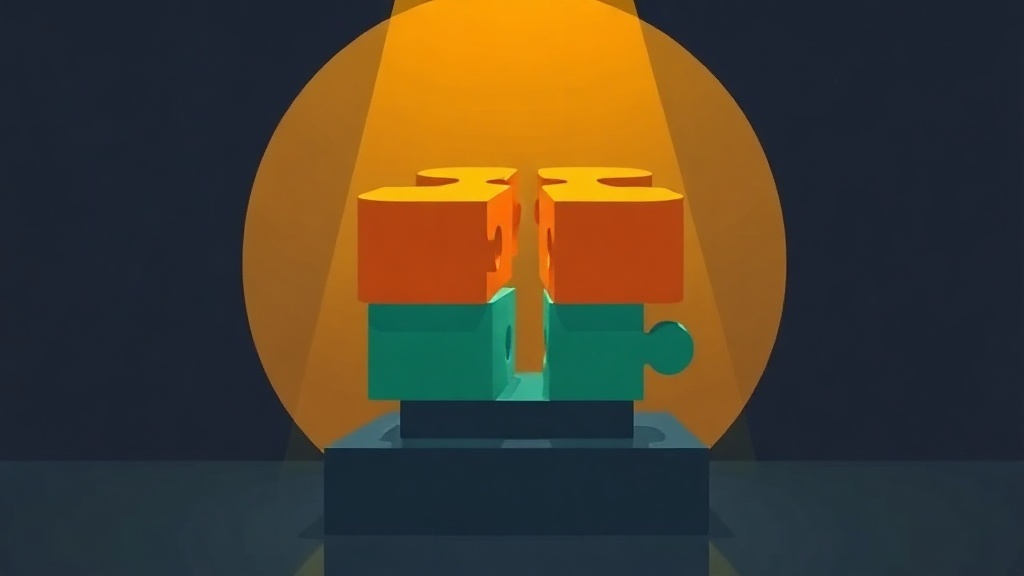
Every AI agent stack looks the same at the bottom (foundation model + tools), diverges in the middle (memory, orchestration, state management), and completely diverges at the top (what the agent actually does). The missing layer is the standard interface between agent components — and everyone is building their own version of the same thing.
What the Stack Looks Like Today
Foundation layer: the model (Claude, GPT-4, Gemini, open-source). Access via API, same for everyone. This is commoditized.
Tool layer: the actions the agent can take. APIs, code execution, file read/write, web search. These are also becoming commoditized — MCP (Model Context Protocol) is winning the standard.
Memory and orchestration: this is where the divergence is. LangGraph, AutoGen, CrewAI, Temporal, custom frameworks — everyone has a different answer to "how does the agent remember what happened and decide what to do next?"
The application layer: what the agent is actually for. Customer service, code generation, research, sales — these are all very different and appropriately custom.
The Missing Standard
The missing piece is the interface between orchestration and application. Right now, if you build a customer service agent using LangGraph and want to swap in a different memory system, you rewrite significant code. The components don't talk to each other across framework boundaries. MCP solved this for tools. We need the equivalent for orchestration.
The teams winning right now are the ones building abstractions that can adapt when the standards emerge — not locking into a single framework's proprietary structure.